The MPR Repair Process
Clear scope. Clear authorization. Clear next steps.
Know how equipment information, diagnostic findings, repair approval, functional testing, and return coordination fit together before the unit changes hands.
Start with equipment details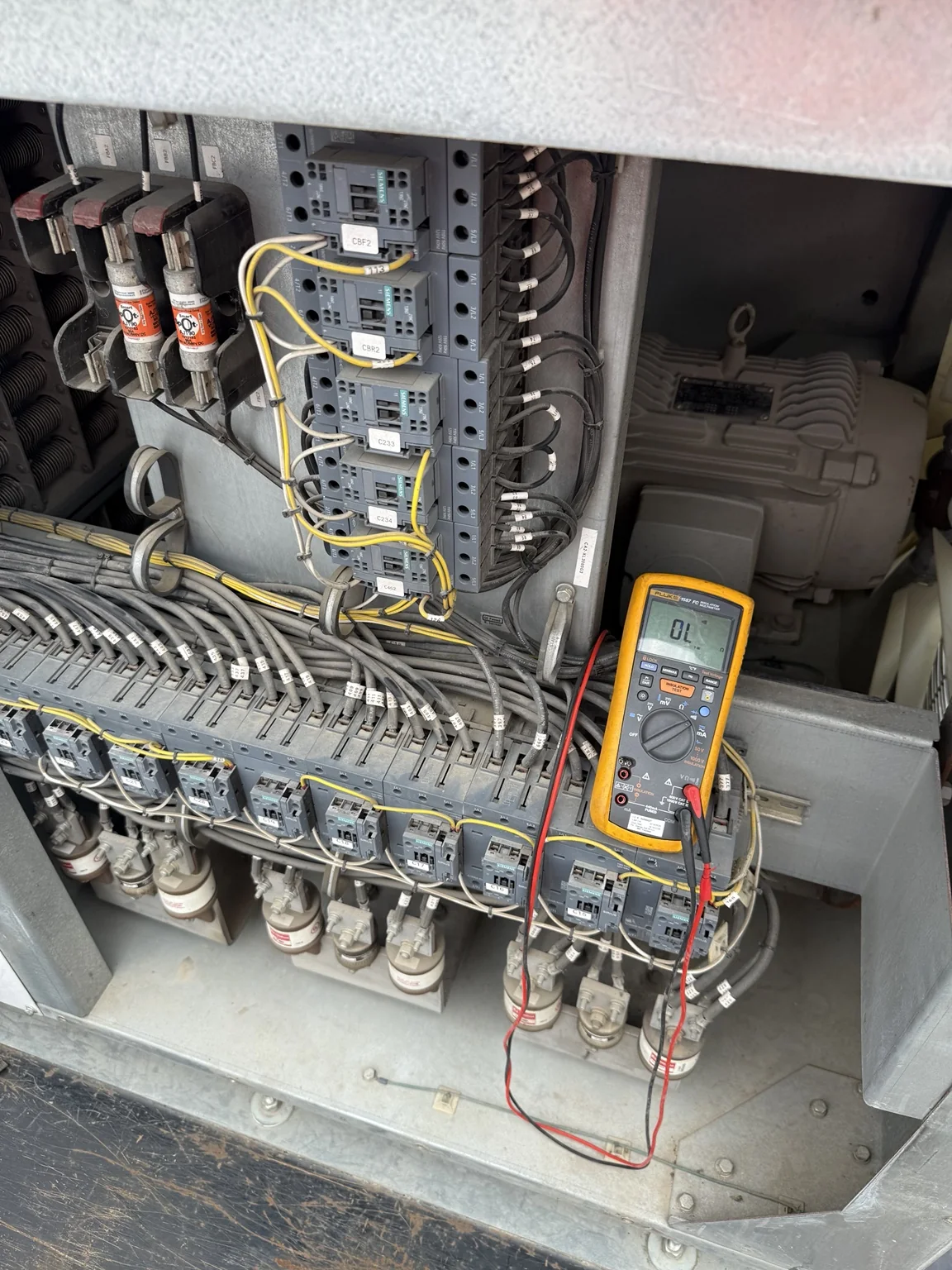
Built Around Accountability
Diagnosis comes before the repair decision.
MPR's process is designed to give service managers, fleet teams, and equipment owners a defensible path forward. Findings and proposed scope come first; authorized work follows.
- BEFORE
- Equipment details and service-path planning
- DURING
- Documented diagnosis and authorized repair
- AFTER
- Supported test statements and return coordination
Seven Defined Stages
From first details to final handoff.
The exact work varies by unit. The decision points should not.
- 01
Initial equipment information & photographs
Share the manufacturer, model, available identification, reported symptoms, equipment location, and clear photographs. Useful detail at the start helps MPR understand the unit before recommending a service path.
A better-informed first conversation - 02
Service or shop-intake planning
MPR evaluates the practical options and coordinates the next step: mobile service for a suitable field opportunity, delivery to the Kaufman shop, or shipped-in repair from another region.
A service path matched to the equipment - 03
Documented inspection & diagnostic
The unit is inspected and the reported failure is traced through the applicable controls, switching, wiring, airflow, instrumentation, electrical, and mechanical systems.
Findings tied to the unit's observed condition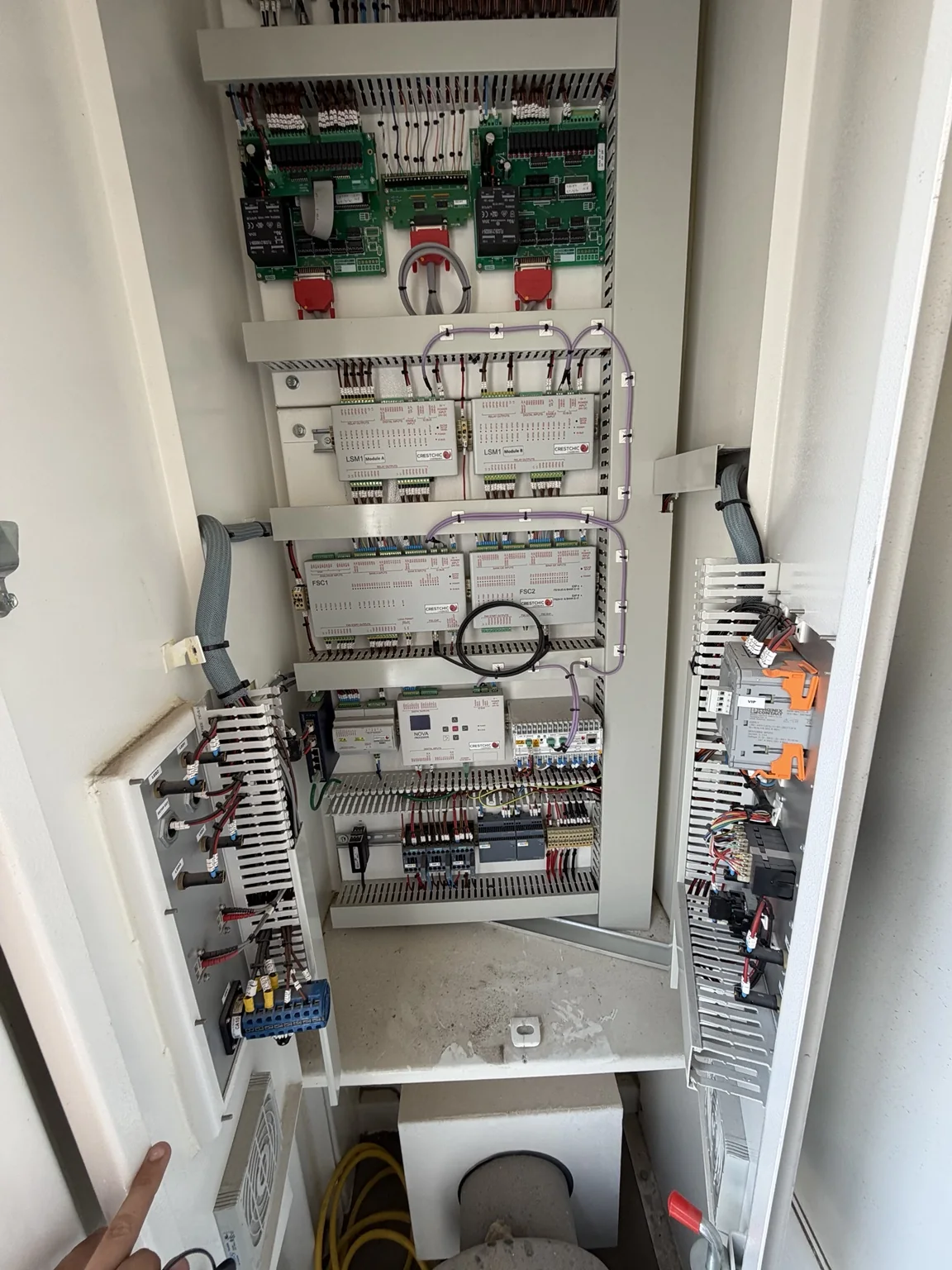
CONTROL ACCESS / DIAGNOSTIC STAGE - 04
Repair quote & customer authorization
MPR communicates the findings and proposed repair scope. The customer decides whether to authorize the quoted work before the repair proceeds.
Clear scope before approved work begins - 05
Approved repair work
MPR completes the authorized repair scope and records the work performed. If the equipment reveals a material change in scope, it is addressed before unapproved work moves forward.
Repair work aligned with authorization - 06
Functional testing within available test conditions
The repaired equipment is functionally checked under the test conditions available to MPR. Documentation distinguishes what was verified from anything the available setup could not fully reproduce.
Test conclusions that do not overstate the evidence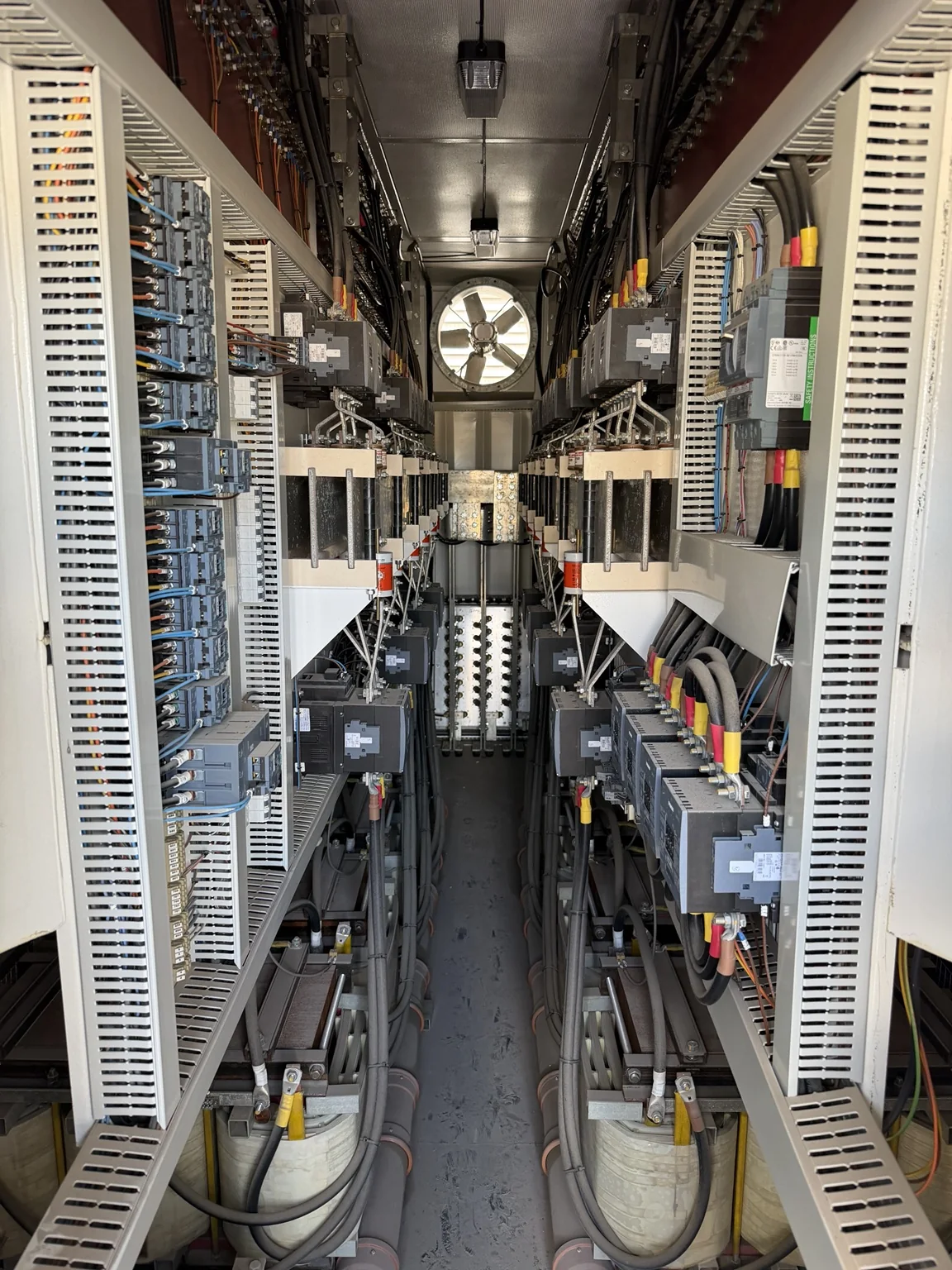
CONNECTIONS / FUNCTIONAL CHECK - 07
Professional documentation & return coordination
MPR prepares the service documentation and coordinates the agreed handoff - pickup, delivery, or return shipment - so the unit can move back to the customer's operation.
A clear record and planned return
Precision in the Conclusion
Testing claims should match the conditions available.
Functional testing is an important part of the process, but the result is only as broad as the conditions that can be produced. MPR documents what the available test setup supports and avoids calling equipment fully operational when that conclusion has not been established.
Explore diagnostics & troubleshootingPrepare a Useful Request
What to send MPR first.
- 01Manufacturer, model, and available equipment identification
- 02Reported symptoms, fault history, and what has already been checked
- 03Clear photos of the full unit, nameplate, controls, and affected areas
- 04Equipment location, access considerations, and timing needs
Begin at Step One